

Introduction
More than five years after the 2021 military coup in Myanmar, the country continues to face deep political instability, humanitarian crises, and ongoing armed conflict. Despite efforts by the Association of Southeast Asian Nations (ASEAN) to mediate the crisis through the ASEAN Five-Point Consensus, progress toward peace has remained limited.
Violence persists across many regions of Myanmar, political dialogue between the military authorities and opposition groups remains stalled, and humanitarian access to affected communities often faces obstacles. These realities have forced ASEAN and the international community to reconsider their current approach.
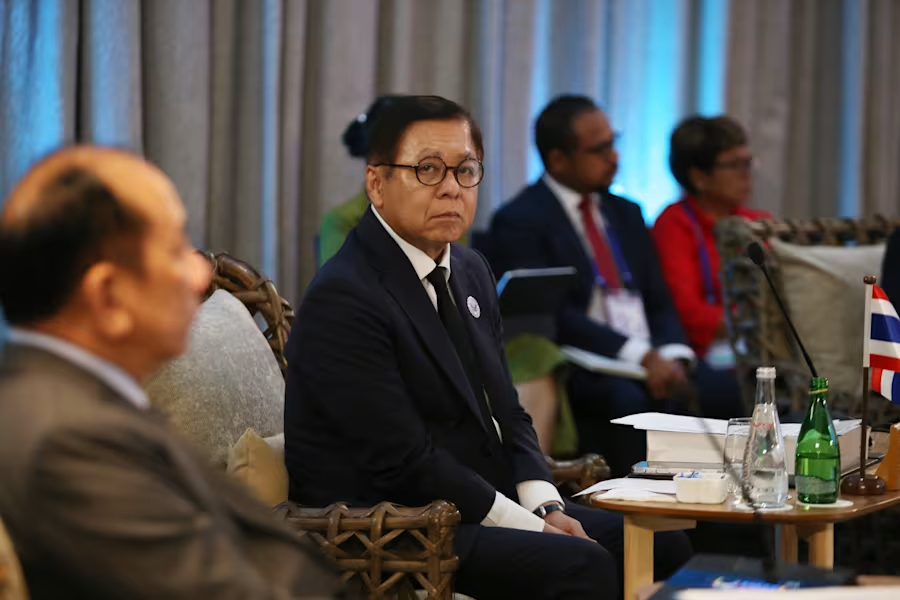
One proposal gaining support among analysts and policymakers is the creation of a long-term ASEAN envoy dedicated solely to Myanmar. Instead of rotating envoys with short mandates, a permanent diplomatic representative could provide continuity, strengthen regional diplomacy, and maintain sustained engagement with all stakeholders.
A permanent ASEAN envoy could help bridge political divides, coordinate humanitarian responses, and rebuild trust between conflicting parties.


4
Background: The Myanmar Crisis Since 2021
The Military Coup and Political Breakdown
On February 1, 2021, Myanmar’s military, known as the Tatmadaw, seized power and detained elected leaders including Aung San Suu Kyi and members of the civilian government.
The coup ended a decade-long experiment with limited democratic reforms and sparked nationwide protests. Citizens, civil servants, and youth movements organized mass demonstrations calling for the restoration of democracy.
In response, security forces launched crackdowns that led to thousands of arrests and casualties. The unrest soon escalated into widespread armed resistance across the country.
Emergence of Parallel Authorities
Following the coup, elected lawmakers and pro-democracy groups formed the National Unity Government of Myanmar (NUG). At the same time, many ethnic armed organizations intensified their operations against military forces.
This situation created a fragmented political landscape with multiple power centers competing for legitimacy and control.
Regional Implications
Myanmar’s crisis affects not only its citizens but also the broader Southeast Asian region.
Neighboring countries face:
- refugee flows across borders
- rising cross-border crime
- disruptions in trade and infrastructure projects
- humanitarian emergencies
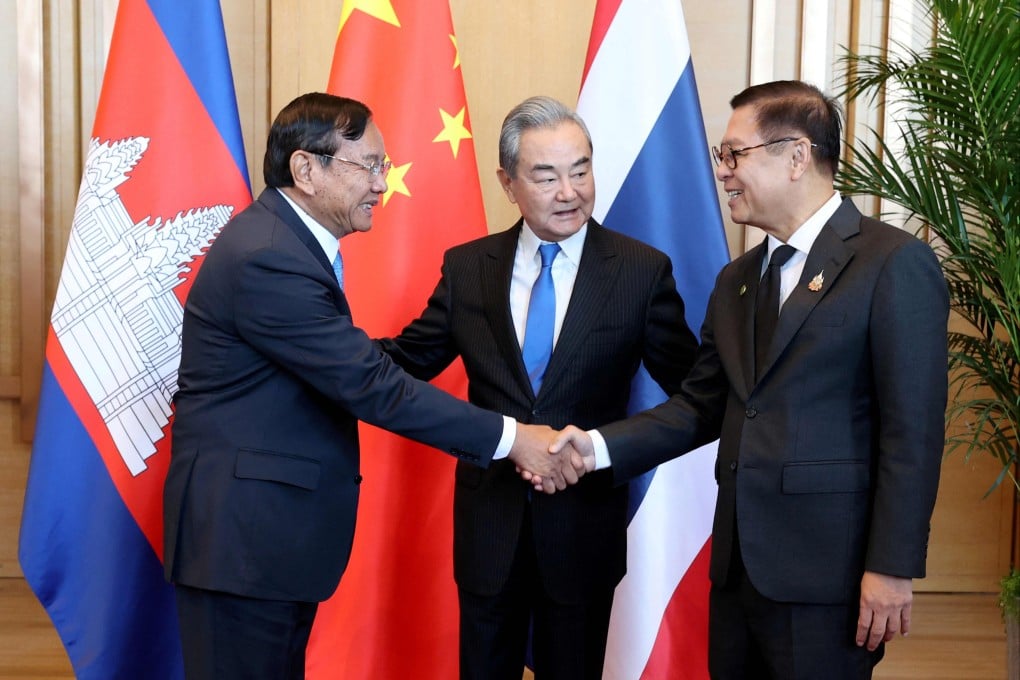
Because Myanmar is a member of ASEAN, the regional bloc has taken responsibility for facilitating dialogue and seeking a peaceful solution.
ASEAN’s Five-Point Consensus
Key Elements of the Plan
In April 2021, ASEAN leaders agreed on the Five-Point Consensus, which outlined a roadmap to address the crisis.
The plan includes:
- Immediate cessation of violence
- Constructive dialogue among all parties
- Appointment of an ASEAN special envoy
- Humanitarian assistance through ASEAN mechanisms
- The envoy’s visit to Myanmar to meet all stakeholders
At the time, ASEAN hoped the framework would encourage negotiations and reduce violence.
Limited Progress
However, implementation has faced major obstacles.
Several ASEAN envoys have attempted diplomatic missions, but their mandates have often been short-term and limited in scope. Access to key stakeholders has also been restricted.
As a result:
- violence has continued in many regions
- dialogue between the military and opposition remains minimal
- humanitarian delivery has been inconsistent
These challenges highlight structural limitations in ASEAN’s current approach.
Why ASEAN Needs a Permanent Envoy
1. Continuity in Diplomacy
ASEAN traditionally rotates its special envoy role annually based on the ASEAN chairmanship.
While this reflects the organization’s principle of shared leadership, it creates discontinuity in diplomatic efforts.
A permanent envoy would:
- maintain long-term relationships with stakeholders
- accumulate deep knowledge of the conflict
- ensure consistent negotiation strategies
Diplomatic conflicts often take years to resolve. Long-term representation improves trust and effectiveness.


4
2. Stronger Engagement With All Parties
Myanmar’s conflict involves multiple actors:
- military authorities
- the National Unity Government
- ethnic armed organizations
- civil society groups
Short-term envoys struggle to establish trust with all these stakeholders.
A long-term envoy could conduct regular consultations and act as a neutral bridge between opposing sides.
Regular engagement increases the chances of meaningful dialogue.
3. Better Coordination of Humanitarian Aid
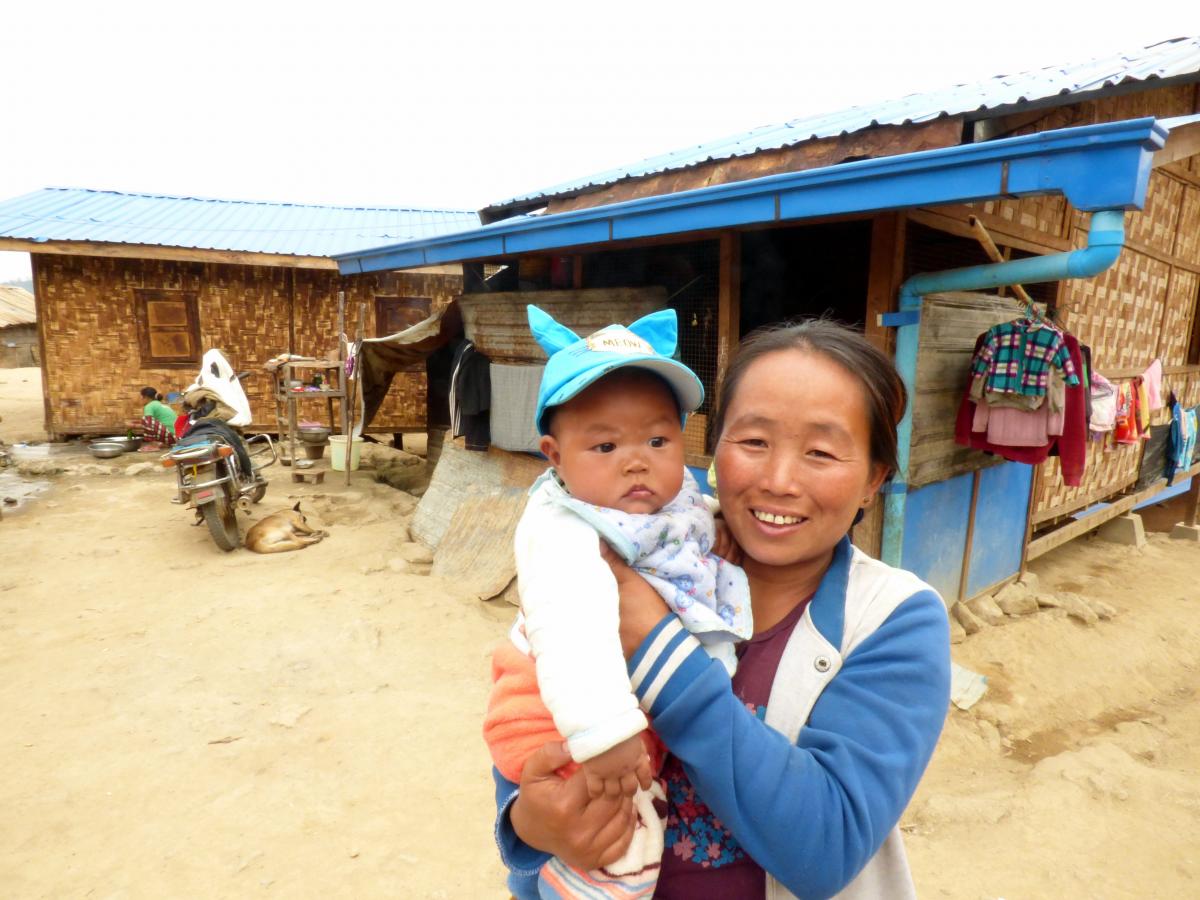
Myanmar faces one of Southeast Asia’s largest humanitarian crises.
Millions of people require assistance due to conflict, displacement, and economic disruption.
A permanent ASEAN envoy could coordinate:
- humanitarian delivery through ASEAN mechanisms
- cooperation with international organizations
- access to vulnerable communities
Such coordination could improve the efficiency and neutrality of aid distribution.
4. Greater Regional Credibility
ASEAN’s reputation as a diplomatic actor depends on its ability to address crises among its members.
If the Myanmar crisis remains unresolved, critics may question the organization’s effectiveness.
A long-term envoy would demonstrate ASEAN’s commitment to sustained engagement and peacebuilding.
It would also strengthen ASEAN’s voice in global discussions on Myanmar.
Challenges to Establishing a Permanent Envoy
Political Sensitivities
ASEAN operates under principles of:
- non-interference
- consensus decision-making
Some member states remain cautious about creating mechanisms that appear to pressure a fellow member government.
Balancing diplomacy with these principles remains a delicate task.
Limited Enforcement Powers
ASEAN traditionally relies on dialogue rather than coercive measures.
Even with a permanent envoy, success would depend on the willingness of Myanmar’s stakeholders to participate in negotiations.
Resource Requirements
A long-term envoy would require:
- diplomatic staff
- financial resources
- logistical support
ASEAN would need to establish institutional structures to support such a role.
Potential Benefits for Myanmar and the Region
If implemented effectively, a permanent envoy could generate several positive outcomes.
Renewed Political Dialogue
Sustained diplomatic engagement could encourage negotiations between the military authorities and opposition groups.
Improved Humanitarian Access
Regular monitoring and coordination could help humanitarian organizations reach affected populations more effectively.
Reduced Regional Tensions
A more stable Myanmar would benefit neighboring countries and regional security.
Strengthened ASEAN Unity
By taking a proactive role, ASEAN could reinforce its position as the central platform for regional diplomacy.
Lessons From Other International Mediations
International conflicts often require long-term diplomatic engagement.
Examples include:
- United Nations special envoys for Middle East peace processes
- long-term mediators in civil conflicts across Asia and Africa
- regional diplomatic initiatives in post-conflict transitions
These examples show that sustained mediation increases the chances of progress, even when negotiations move slowly.
ASEAN could adopt a similar model tailored to Southeast Asia’s diplomatic traditions.
The Path Forward
To move forward, ASEAN could consider several practical steps:
- Establish a multi-year mandate for a Myanmar envoy
- Create a permanent diplomatic support office
- Coordinate closely with international humanitarian organizations
- Facilitate regular dialogue with all stakeholders
These measures would strengthen ASEAN’s capacity to support peace in Myanmar.
Conclusion
Five years after the military takeover in Myanmar, the region faces an uncomfortable reality: the ASEAN Five-Point Consensus has not yet delivered the peace and dialogue that many hoped for.
Violence continues, humanitarian needs remain high, and political negotiations have stalled.
A permanent ASEAN envoy for Myanmar could provide the continuity, diplomatic engagement, and coordination needed to move the peace process forward.
While such a step would not guarantee immediate solutions, it would represent a stronger and more sustained commitment by ASEAN to support stability in one of its member states.
In the long run, a dedicated envoy could help rebuild trust, encourage dialogue, and contribute to a more peaceful future for Myanmar and Southeast Asia.


4
Frequently Asked Questions (FAQ)
What is the ASEAN Five-Point Consensus on Myanmar?
The ASEAN Five-Point Consensus is a diplomatic framework adopted in 2021 to address the crisis in Myanmar. It calls for an end to violence, dialogue among all parties, humanitarian assistance, and mediation by an ASEAN envoy.
Why has the Five-Point Consensus struggled to succeed?
Implementation has faced challenges including limited access for ASEAN envoys, continued fighting between armed groups, and political divisions among Myanmar’s stakeholders.
What would a permanent ASEAN envoy do?
A permanent envoy would lead long-term diplomatic efforts, maintain relationships with stakeholders, coordinate humanitarian assistance, and encourage negotiations toward peace.
Would a permanent envoy solve the crisis immediately?
No single diplomatic initiative can solve complex conflicts quickly. However, sustained engagement could improve dialogue and humanitarian access over time.
How could ASEAN fund such an envoy?
ASEAN could allocate funding through its existing diplomatic and humanitarian mechanisms or cooperate with international partners.
Why is Myanmar important for ASEAN stability?
Myanmar’s crisis affects regional security, trade, humanitarian conditions, and migration flows. Stability in Myanmar contributes to broader peace and development in Southeast Asia.
Could international organizations support ASEAN’s efforts?
Yes. Organizations such as the United Nations and international humanitarian groups often cooperate with regional organizations to support mediation and relief operations.