

Introduction
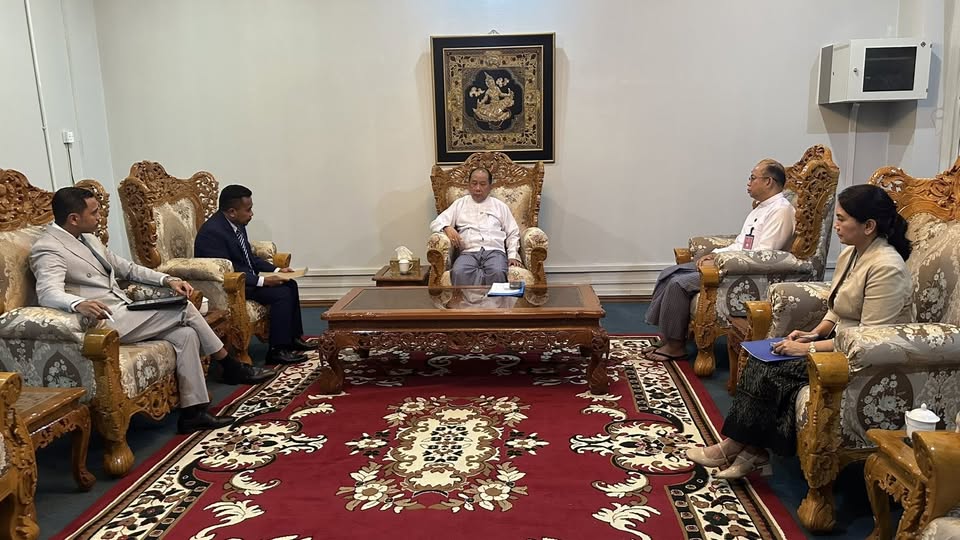
Myanmar’s military authorities have expelled Timor-Leste’s top representative following reports that Dili initiated legal proceedings against Myanmar’s junta for alleged war crimes and crimes against humanity. The move marks a significant escalation in diplomatic tensions within the Association of Southeast Asian Nations (ASEAN) and highlights growing international pressure on Myanmar’s military leadership.
The case, reportedly filed under the principle of universal jurisdiction, represents one of the rare instances in which an ASEAN member state has taken direct legal action against another. This development underscores widening divisions within the regional bloc over how to respond to Myanmar’s ongoing political and humanitarian crisis.
Background: Myanmar’s Political Crisis Since 2021
Myanmar Armed Forces seized power in February 2021, overthrowing the elected government led by the National League for Democracy. The coup triggered nationwide protests, armed resistance, and a deepening civil conflict.
Since then, the military has faced widespread accusations of:
- Extrajudicial killings
- Air strikes on civilian areas
- Mass detentions
- Torture and enforced disappearances
- Sexual violence
The military leadership is also defending itself before the International Court of Justice over allegations of genocide against the Rohingya minority.
The latest dispute with Timor-Leste adds another international legal challenge to the junta’s growing list of diplomatic pressures.
The CHRO Complaint and Universal Jurisdiction
Chin Human Rights Organization (CHRO), which advocates for Myanmar’s Chin ethnic minority, announced that Timor-Leste had opened a legal case against Myanmar’s military leadership.
According to CHRO:
- A senior Timorese prosecutor has been appointed
- Evidence submitted includes alleged gang rape
- Documentation of a massacre of ten civilians
- Killing of religious officials
- An air strike on a hospital
The complaint was filed under the principle of universal jurisdiction. This legal doctrine allows national courts to prosecute individuals for serious international crimes — such as war crimes or crimes against humanity — regardless of where those crimes were committed.
Universal jurisdiction has been used in other high-profile international cases involving genocide and crimes against humanity, particularly when international tribunals are slow or politically constrained.
Myanmar’s Response
Myanmar’s junta described Timor-Leste’s reported appointment of a prosecutor as a “great disappointment.” In response:
- Timor-Leste’s charge d’affaires was summoned
- The diplomat was given one week to leave the country
- The junta accused Dili of violating ASEAN’s principles of sovereignty and non-interference
This is not the first diplomatic clash between the two nations. In August 2023, Myanmar expelled Timor-Leste’s top diplomat following meetings with Myanmar’s opposition shadow government.
The expulsion signals that Myanmar’s military leadership is unwilling to tolerate legal initiatives by ASEAN members that challenge its authority.
ASEAN Tensions and Regional Implications
Association of Southeast Asian Nations has struggled to formulate a unified response to Myanmar’s post-coup crisis.
Timor-Leste became ASEAN’s 11th member in October 2025, marking a historic milestone for the young nation. However, its legal action against Myanmar places it at what analysts describe as “one extreme end” of the ASEAN spectrum.
Traditionally, ASEAN operates on:
- Non-interference in internal affairs
- Consensus-based diplomacy
- Quiet negotiation rather than public confrontation
Timor-Leste’s move departs from this tradition and signals a willingness to pursue accountability through international legal mechanisms.
Analysts note that while the case may not fundamentally shift ASEAN’s overall stance toward Myanmar, it does reveal deep divisions within the bloc.
Why Timor-Leste’s Position Is Unique
Timor-Leste has its own history of occupation, violence, and international legal struggle. Many observers argue that this historical experience shapes its strong stance on accountability and justice.
Unlike some larger ASEAN states that prioritize stability and economic ties, Timor-Leste appears willing to challenge Myanmar’s military leadership openly.
This stance could:
- Increase diplomatic isolation of Myanmar
- Encourage other states to consider similar legal actions
- Further strain ASEAN unity
However, it also risks weakening ASEAN’s consensus model at a time when regional stability is already fragile.
International Legal Pressure on Myanmar
The legal action in Timor-Leste comes alongside:
- Ongoing proceedings at the ICJ
- Investigations by the UN Independent Investigative Mechanism for Myanmar
- Sanctions from Western governments
While enforcement of universal jurisdiction cases can be complex — particularly if suspects remain outside the prosecuting country’s reach — such cases contribute to:
- Reputational damage
- Travel restrictions
- Long-term legal exposure
Even symbolic legal actions can significantly affect diplomatic relations.
Broader Impact on Myanmar’s Future
For Myanmar, the expulsion underscores its increasingly defensive posture internationally. Rather than de-escalating tensions, diplomatic expulsions may further isolate the country.
For ASEAN, the situation raises important questions:
- Can the bloc maintain unity amid legal disputes between members?
- Will accountability mechanisms become more common in Southeast Asia?
- How will ASEAN balance sovereignty with human rights obligations?
Timor-Leste’s move suggests that accountability may remain a central issue in regional diplomacy.
Conclusion
Myanmar’s decision to expel Timor-Leste’s envoy marks a significant diplomatic rupture within ASEAN. The underlying legal case — filed under universal jurisdiction — reflects growing efforts to hold Myanmar’s military accountable for alleged war crimes and crimes against humanity.
While the immediate consequences may be limited to diplomatic tension, the broader implications for ASEAN unity, international law, and Myanmar’s global standing could prove substantial.
As legal and diplomatic battles continue, the case highlights the evolving balance between sovereignty and accountability in Southeast Asia.
Frequently Asked Questions (FAQ)
1. Why did Myanmar expel Timor-Leste’s envoy?
Myanmar expelled the envoy after reports that Timor-Leste opened a war crimes case against the junta under universal jurisdiction.
2. What is universal jurisdiction?
Universal jurisdiction allows a country’s courts to prosecute serious international crimes, regardless of where they were committed.
3. What crimes are alleged in the case?
The complaint reportedly includes evidence of gang rape, massacres, killings of religious officials, and air strikes on civilian facilities.
4. Is Myanmar already facing international legal action?
Yes. Myanmar is defending itself at the International Court of Justice over allegations of genocide against the Rohingya minority.
5. Will this case change ASEAN’s policy on Myanmar?
Experts believe it highlights divisions within ASEAN but is unlikely to fundamentally alter the bloc’s overall approach.
6. When did Timor-Leste join ASEAN?
Timor-Leste officially became ASEAN’s 11th member in October 2025.