

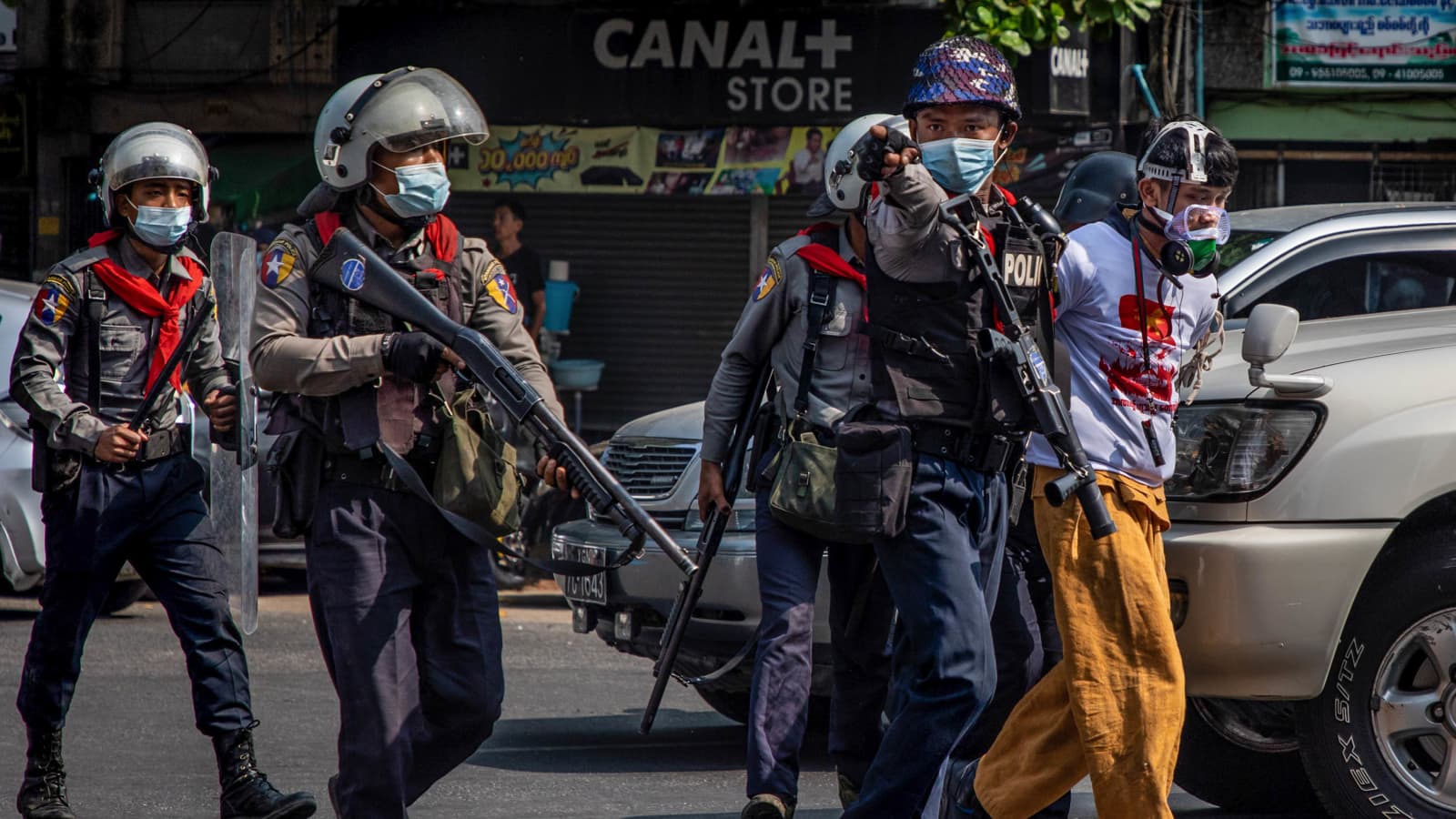
Myanmar’s junta has begun holding a multi-phase election widely rejected by pro-democracy groups and human rights organizations, as fighting continues across large parts of the country. From Japan, members of Myanmar’s diaspora warn that the vote is being used to entrench military rule rather than reflect the will of the people.
Myanmar’s military authorities are pressing forward with a highly contested national election, the first since the February 2021 coup that dismantled the country’s elected government. Framed by the junta as a step toward restoring civilian rule, the vote is being conducted in multiple phases across selected regions. However, widespread armed conflict, political repression, and the absence of genuine opposition participation have led critics to dismiss the process as an effort to legitimize continued military control.
From outside the country, members of Myanmar’s diaspora — particularly in Japan — have become increasingly vocal in rejecting the election’s credibility. Living beyond the reach of military censorship, they argue that the vote is being carried out under conditions that make free political expression impossible.
Voices Beyond the Junta’s Reach
Win Kyaw and his wife Mathida have lived in Japan for more than three decades. Since Myanmar’s military seized power, the couple has worked quietly to collect photos, videos, and eyewitness accounts documenting violence and repression inside the country. Their goal, they say, is to preserve evidence and ensure that information reaches the outside world.
In the weeks leading up to the first phase of voting, the couple communicated with contacts in Yangon, Myanmar’s largest city. One taxi driver described a political environment dominated by fear rather than civic participation.
According to him, many residents expressed little interest in voting and planned to stay away from polling stations. Campaign activity, he said, was minimal, with candidates avoiding public appearances despite official media claims of vibrant campaigning. In some neighborhoods, election posters were installed under the watch of plainclothes security officers.
The driver said that candidates were reluctant to engage directly with voters, fearing backlash or violence in a society already traumatized by years of conflict. For many citizens, political participation has become inseparable from personal risk.
A Vote Without Competition
The military authorities claim the election represents progress toward stability. Yet nearly all opposition political parties have been dissolved, banned, or excluded from participation. None of the roughly 5,000 registered candidates represent major pro-democracy movements removed from power in 2021.
More than a thousand candidates belong to the military-aligned Union Solidarity and Development Party, which analysts widely expect to dominate the results. With no meaningful competition, critics argue the outcome was predetermined long before ballots were cast.
Myanmar’s election commission has acknowledged that voting cannot take place in dozens of townships due to ongoing fighting. Entire regions remain inaccessible as clashes continue between the military and various resistance forces. As a result, large portions of the population are excluded from the process altogether.
Elections Amid Violence and Intimidation
International human rights organizations have warned that the election is unfolding in an atmosphere of violence and coercion. Reports indicate that civilians have faced pressure both from military authorities and armed groups opposing the junta regarding participation in the vote.
Observers say this environment undermines any claim of legitimacy. With widespread arrests, surveillance, and restrictions on movement, voters cannot freely express political preferences.
Inside Myanmar, dissent has been met with harsh punishment. Artists, activists, and social media users have been detained under laws criminalizing criticism of the election. Human rights groups report that dozens of individuals have been arrested for allegedly “disrupting” the electoral process.
While the junta announced mass prisoner releases ahead of voting, rights advocates say these gestures do little to offset the broader climate of fear and repression.
Growing Alarm Among Myanmar Nationals in Japan
Japan has become home to a rapidly expanding Myanmar community. Since the military introduced compulsory conscription in early 2024, many young people have fled the country to avoid forced service. Over the past two years, the number of Myanmar nationals living in Japan has grown dramatically.
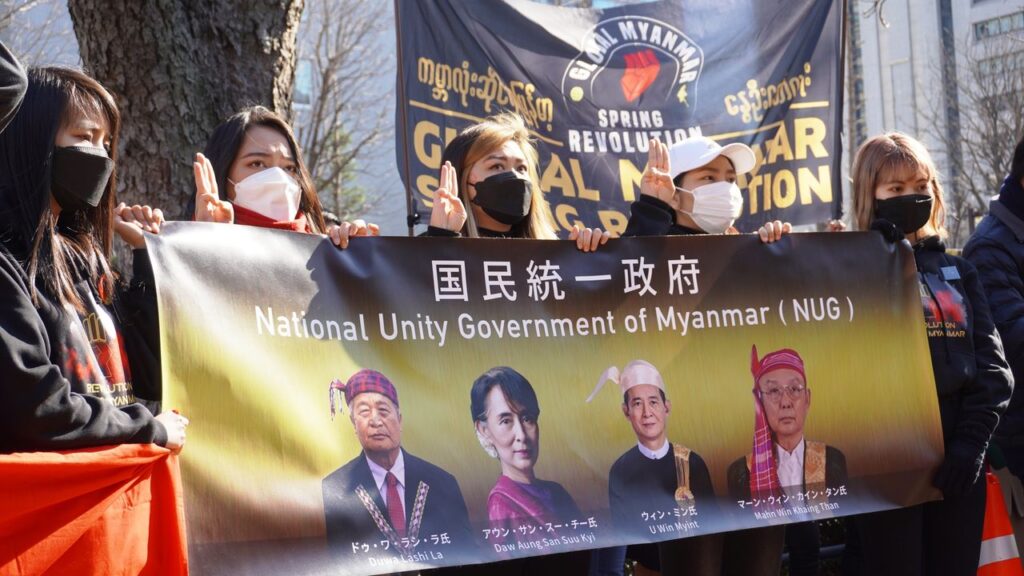
Members of the diaspora have organized protests, public discussions, and advocacy campaigns urging the international community to reject the election’s results. Demonstrations outside Myanmar’s embassy in Tokyo drew hundreds of participants calling for global non-recognition of the vote.
Activists emphasize that voices inside Myanmar are largely silenced by intimidation, leaving those abroad with a responsibility to speak on their behalf.
Appeals from the Pro-Democracy Movement
Figures linked to Myanmar’s pro-democracy movement have also used overseas platforms to address international audiences. Representatives associated with the National Unity Government, formed by lawmakers ousted in the coup, have traveled abroad to explain why they believe the election offers no solution to Myanmar’s crisis.
They argue that without inclusive dialogue, political freedom, and an end to violence, elections cannot reflect the will of the people. Instead, they warn, the process risks deepening divisions and prolonging instability.
Ethnic minority leaders involved in armed resistance have echoed these concerns. They fear that military deployments could intensify around election periods, placing civilians at further risk.
War Overshadows the Ballot
As voting preparations continued, fighting intensified in several regions. Residents in areas such as Mandalay Region reported increased airstrikes targeting villages, infrastructure, and even schools — some of which had been designated as polling locations.
Videos circulating among diaspora networks showed destroyed homes and burning neighborhoods following military attacks. For residents fleeing bombardment, the notion of participating in an election appeared detached from reality.
Activists questioned how an institution conducting aerial attacks against its own population could simultaneously claim to facilitate a democratic process.
Public Trust Nearly Absent
Surveys conducted among Myanmar nationals both inside and outside the country reveal overwhelming skepticism toward the election. An online poll conducted by a Japan-based civil society organization found near-universal rejection of the vote’s legitimacy.
Respondents overwhelmingly said they did not believe the election would resolve Myanmar’s political crisis or represent public will. For many, the process symbolized an attempt to formalize military dominance rather than restore democracy.
International Reactions Remain Divided
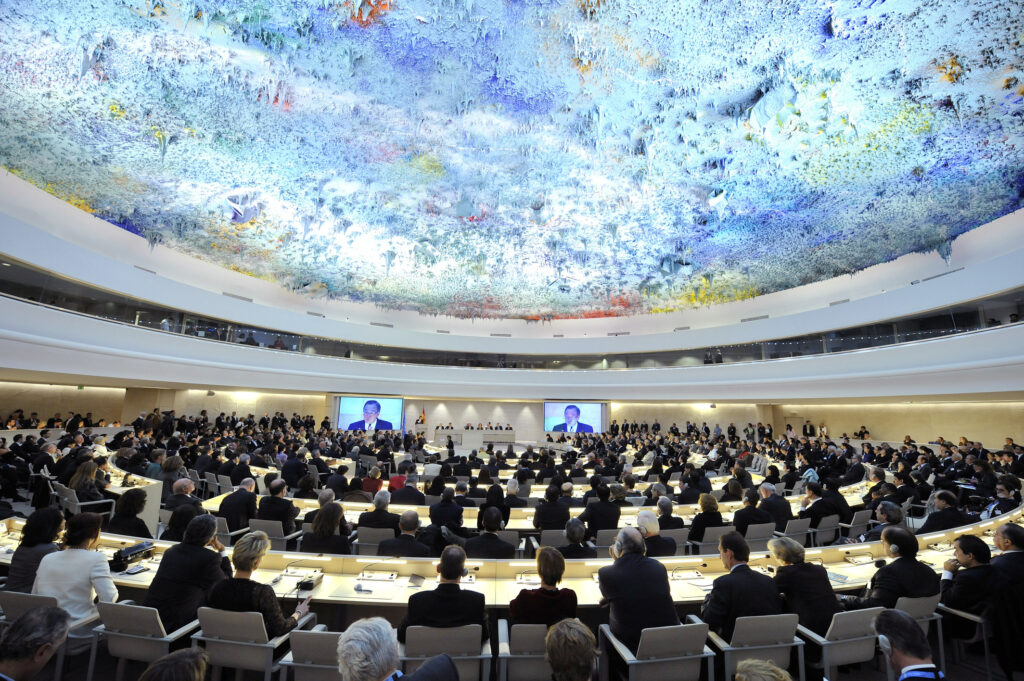
Global responses to Myanmar’s election have varied. Western governments and regional partners have issued statements expressing concern or outright rejection, citing the lack of conditions necessary for a free and fair vote.
Japan has voiced apprehension that the election could provoke further unrest and make peaceful resolution more difficult. At the same time, Myanmar’s state media has highlighted the presence of observers from countries viewed as sympathetic to the junta.
The divergent reactions reflect broader geopolitical divisions surrounding Myanmar, leaving pro-democracy advocates uncertain about how much pressure the military will ultimately face.
A Struggle Beyond Borders
For Myanmar’s diaspora, the election represents more than a political event — it symbolizes the broader struggle over truth, legitimacy, and the country’s future. From Tokyo to other global cities, activists continue to document events, organize campaigns, and appeal for international awareness.
Many believe that even if the election concludes as planned, Myanmar’s crisis will remain unresolved. Armed conflict persists, political prisoners remain behind bars, and millions face displacement and insecurity.
As one activist put it, while people inside Myanmar endure silence imposed by force, those abroad carry the responsibility to ensure the world continues to listen.
✅ FAQ SECTION
What is Myanmar’s current election about?
The military-led authorities are holding a multi-phase election that they claim will lead to civilian governance, though it is widely disputed.
Why is the election considered controversial?
The vote is occurring amid armed conflict, political repression, and the exclusion of major opposition parties, raising concerns about legitimacy.
Who is opposing the election?
Opposition includes pro-democracy groups, ethnic resistance organizations, human rights bodies, and much of Myanmar’s diaspora.
Can voters participate freely?
Reports indicate that intimidation, surveillance, and violence prevent free political participation in many areas.
How has the international community responded?
Responses vary, with some governments rejecting the election’s credibility and others maintaining engagement with the junta.
Will the election resolve Myanmar’s crisis?
Most critics believe it will not address the root causes of conflict or restore democratic governance.