

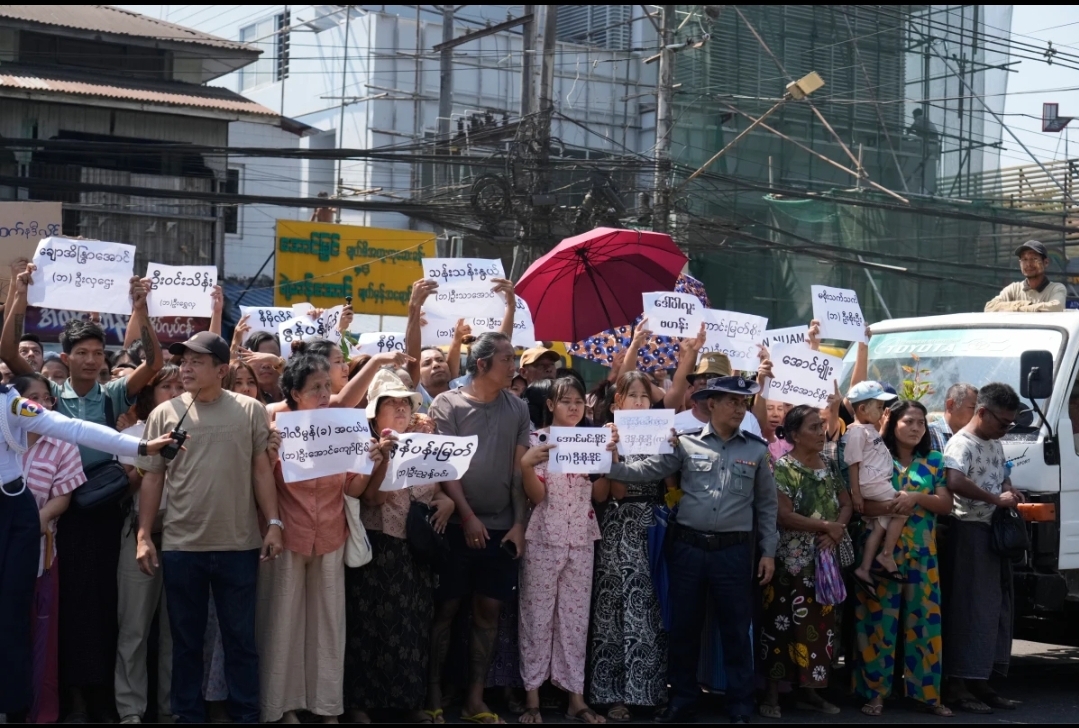
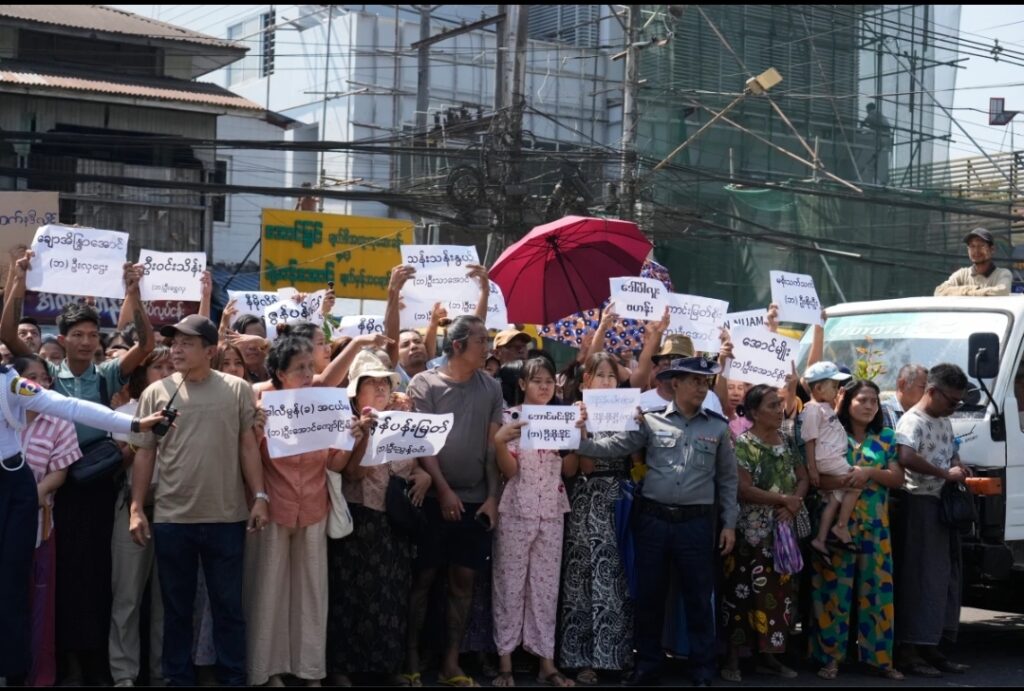
Myanmar’s military government has announced the release of more than 10,000 prisoners in a sweeping amnesty just weeks before the country’s parliament is scheduled to reconvene. The move, officially tied to the national observance of Peasants’ Day, arrives at a politically sensitive moment as the military leadership attempts to reshape the country’s image following years of conflict and international isolation.
State-run broadcaster MRTV confirmed that Senior Gen. Min Aung Hlaing authorized the release of 10,162 inmates. Among those freed, 7,337 individuals had been convicted under Myanmar’s controversial counterterrorism law — legislation widely criticized by human rights organizations for its broad interpretation and harsh penalties.
Amnesty Timed to Peasants’ Day
Peasants’ Day is an annual national holiday recognizing Myanmar’s agricultural workers. Historically, governments in Myanmar have granted prisoner amnesties during significant national holidays. However, the scale of this latest release stands out.
In addition to those already imprisoned, authorities stated that 12,487 individuals facing prosecution under the counterterrorism statute — including those in hiding — would also receive amnesty. Their cases, many related to incitement or alleged support for resistance movements, will reportedly be closed.
The counterterrorism law allows for severe penalties, including life imprisonment and the death sentence. Since the military seized power in February 2021, authorities have used it extensively against activists, journalists, political opponents, and civilians accused of supporting anti-junta protests.
Parliament Set to Reconvene After Five Years
The timing of the amnesty has drawn significant attention. Myanmar’s parliament is expected to reconvene later this month for the first time since the military dissolved the legislature following the 2021 coup.
The recent election delivered victory to a military-backed political party. However, opposition parties were largely excluded, and international observers questioned the transparency and credibility of the process. Critics argue that the parliament’s return may represent a controlled political reset rather than a genuine democratic transition.
Analysts suggest the mass release could serve multiple objectives:
- Reduce overcrowding in prisons
- Ease international criticism
- Improve domestic political optics
- Create an image of reconciliation
Yet without the release of key political figures, many observers believe the move signals continuity rather than reform.
Aung San Suu Kyi Remains Detained
There was no indication that former civilian leader Aung San Suu Kyi would be included in the amnesty. The 80-year-old Nobel laureate has remained detained since the 2021 military takeover.
She is currently serving a combined 27-year prison sentence following multiple convictions widely described by supporters and independent observers as politically motivated. Her continued detention remains central to international concern over Myanmar’s political trajectory.
Without her release — or that of other high-profile political detainees — many analysts argue that the amnesty does not represent a meaningful shift in the military’s grip on power.
Foreign Nationals Also Released
Officials also announced that 10 foreign nationals would be released and deported. Authorities have not publicly disclosed their identities or nationalities.
The release process began Monday and is expected to unfold over several days. However, the government has not published a comprehensive list of those granted clemency, leaving families and advocacy groups awaiting confirmation.
Political Prisoners Still in Custody
According to independent monitoring groups, more than 22,800 political detainees remain in custody across Myanmar. Since the coup, thousands have been arrested amid widespread protests, armed resistance movements, and escalating conflict between military forces and ethnic armed organizations.
The country remains deeply divided:
- Armed resistance groups operate in multiple regions
- Economic conditions have deteriorated
- Foreign investment has declined
- Humanitarian agencies report growing displacement
While thousands may soon walk free, the broader political crisis — rooted in the struggle between military authority and democratic aspirations — remains unresolved.
Image of Normalization or Tactical Strategy?
Mass prisoner releases are not new in Myanmar’s political culture. Previous governments have used holiday amnesties to signal reconciliation or mark national milestones.
However, the current context is different. With parliament preparing to reconvene under military oversight, the release appears strategically timed.
Some observers view it as:
- A gesture to reduce tension
- A signal to ASEAN and regional partners
- A public relations effort ahead of parliamentary proceedings
Others argue that without structural political reform, the clemency represents a tactical adjustment rather than substantive change.
As Myanmar moves toward the reopening of its legislature, uncertainty continues to define the nation’s future.
FAQs
1. Why did Myanmar release over 10,000 prisoners?
The military government stated the release was to mark Peasants’ Day, a national holiday. Analysts believe political timing ahead of parliament’s return also played a role.
2. Were political prisoners included in the amnesty?
Thousands convicted under the counterterrorism law were reportedly released, but many political detainees remain in custody.
3. Is Aung San Suu Kyi among those freed?
No. There has been no indication that Aung San Suu Kyi was included in the amnesty.
4. How many political prisoners remain in Myanmar?
Independent groups estimate more than 22,800 political detainees remain in custody.
5. When will Myanmar’s parliament reconvene?
Parliament is expected to convene later this month for the first time since the 2021 coup.
6. Does this signal political reform?
Many analysts believe the move is symbolic and tactical rather than a genuine democratic shift.