



4
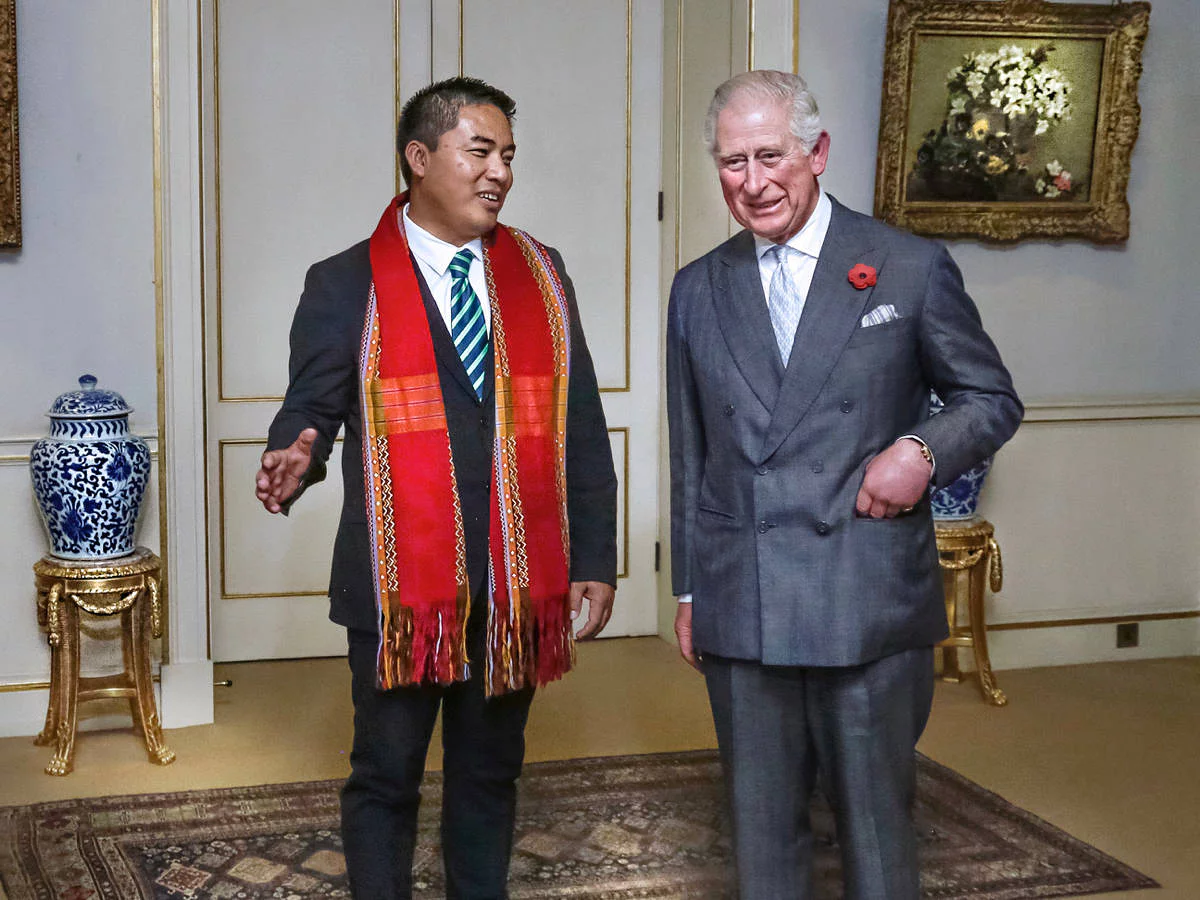
Dr Sasa has emerged as one of the most internationally visible figures within Myanmar’s post-2021 opposition movement. As a spokesperson and minister associated with the National Unity Government (NUG), he has become a central diplomatic voice advocating for democratic restoration and international accountability following the military takeover led by Min Aung Hlaing.
More than three years into Myanmar’s deep political crisis, important questions remain:
Can diplomatic advocacy translate into meaningful pressure?
Does international engagement still matter?
And what role will Dr. Sasa play in shaping the future of Myanmar’s opposition movement?
This editorial examines those questions through political, diplomatic, and strategic lenses.
From Humanitarian Advocate to Political Figure
Before the crisis, Dr. Sasa was known internationally for humanitarian work and advocacy for marginalized communities. After the military takeover in February 2021, he transitioned into an overt political role within the opposition movement.
His rise symbolized several shifts:
- The internationalization of Myanmar’s resistance
- The blending of humanitarian advocacy and political mobilization
- A generational change in opposition leadership
Unlike older political elites, Dr. Sasa speaks directly to global institutions, Western governments, and diaspora communities in fluent international political language.
The Diplomatic Strategy of the Opposition
The opposition’s external strategy has focused on:
- Sanctions against military-linked entities
- Arms embargo advocacy
- International recognition of the NUG
- Legal accountability through international courts
Dr. Sasa has been central to messaging at global forums. His public addresses often frame Myanmar’s crisis in universal democratic terms — human rights, civilian protection, and global responsibility.
However, diplomacy alone does not shift power balances inside Myanmar.
International Recognition: Symbolic or Strategic?
One of the most debated questions is whether diplomatic visibility equals political leverage.
The NUG has gained:
- Meetings with lawmakers in Western countries
- Public endorsements from human rights groups
- Limited international platform space
But it has not secured:
- Full UN recognition as Myanmar’s government
- Broad regional backing from ASEAN
- A coordinated international enforcement mechanism
Dr. Sasa’s advocacy has kept Myanmar on the agenda, but sustaining global attention amid competing crises remains difficult.
The Resistance Landscape: Fragmented but Resilient
Myanmar’s resistance is not monolithic. It includes:
- People’s Defense Forces (PDFs)
- Ethnic Armed Organizations (EAOs)
- Civil Disobedience Movement networks
- Exiled political leadership
Coordination between armed and political wings remains complex.
Dr. Sasa represents the political-diplomatic side of the struggle. But the future of Myanmar’s opposition depends on alignment between battlefield developments and political negotiations.
Without cohesion, fragmentation could weaken long-term prospects.
Balancing Diplomacy and Domestic Legitimacy
A key challenge for Dr. Sasa is balancing:
International credibility
Domestic legitimacy
International audiences respond to structured diplomacy and legal arguments.
Domestic audiences prioritize:
- Security
- Territorial control
- Humanitarian access
- Daily survival
The opposition’s future depends on bridging those expectations.
ASEAN and Regional Politics
Regional diplomacy remains one of the most sensitive fronts.
ASEAN’s “Five-Point Consensus” has struggled to deliver meaningful progress.
While Western governments may support sanctions and rhetoric, neighboring countries prioritize stability and non-interference.
Dr. Sasa’s engagement strategy attempts to keep diplomatic channels open while maintaining pressure narratives.
Whether ASEAN evolves into a stronger mediator remains uncertain.
The Information War
Another dimension is narrative control.
The military leadership invests heavily in:
- State-controlled media
- Propaganda framing
- Legitimacy messaging
Opposition leaders like Dr. Sasa counter through:
- International interviews
- Social media engagement
- Policy briefings
Maintaining narrative momentum internationally is essential for sustaining sanctions pressure and humanitarian aid flows.
Economic and Humanitarian Realities
Myanmar’s economic contraction has reshaped political calculations.
Rising inflation, displacement, and infrastructure damage affect civilian populations deeply.
Diplomatic advocacy must increasingly address:
- Cross-border humanitarian corridors
- Financial support mechanisms
- Reconstruction frameworks
Dr. Sasa’s messaging has increasingly linked political transition to economic stabilization.
Generational Leadership Shift
Dr. Sasa also represents a generational shift within Myanmar’s opposition politics.
Compared to traditional party structures:
- Messaging is more global
- Communication is faster
- Diaspora engagement is stronger
This generational transformation could redefine opposition leadership models.
Possible Future Scenarios
Several pathways exist:
Scenario 1: Negotiated Transition
International pressure, regional mediation, and battlefield stalemate produce a political settlement.
Scenario 2: Prolonged Fragmentation
Low-intensity conflict continues without decisive outcome.
Scenario 3: Opposition Consolidation
Political and armed groups achieve stronger coordination, strengthening negotiating leverage.
In each scenario, diplomatic leadership remains relevant — but only if aligned with ground realities.
Risks Facing the Opposition
The opposition faces:
- Fatigue among international partners
- Internal coordination disputes
- Resource constraints
- Information warfare pressure
Dr. Sasa’s long-term influence will depend on whether diplomacy evolves from symbolic advocacy into strategic leverage.
The Future of Opposition Politics
Myanmar’s political future remains uncertain.
Yet several trends are clear:
- Civil resistance has not disappeared
- International scrutiny continues
- Regional dynamics remain fluid
- Youth participation is reshaping politics
Dr. Sasa’s role may evolve from spokesperson to policy architect if a transition window opens.
But that depends on broader structural developments beyond any single individual.
Conclusion
Dr Sasa symbolizes the international face of Myanmar’s post-coup opposition.
His advocacy has kept Myanmar visible on the global stage. Yet the future of the opposition will not be determined by diplomacy alone. It will depend on coordination, resilience, and evolving regional dynamics.
The coming years will test whether international engagement, domestic resistance, and political organization can converge into a viable transition path.
The answer remains uncertain — but the stakes for Myanmar’s future are profound.
Frequently Asked Questions (FAQ)
1. Who is Dr. Sasa?
Dr. Sasa is a Myanmar opposition political figure and spokesperson linked to the National Unity Government.
2. What is the National Unity Government?
The National Unity Government (NUG) is a parallel administration formed by elected lawmakers and opposition figures after the 2021 military takeover.
3. Does Dr. Sasa represent Myanmar internationally?
He has served as an international advocate and spokesperson for the opposition movement.
4. Has the NUG been recognized by the United Nations?
Full formal recognition has not been granted.
5. What challenges does the opposition face?
Coordination, resource constraints, and sustaining international attention.
6. Can diplomacy alone resolve Myanmar’s crisis?
Diplomacy plays a role, but domestic political and security dynamics are decisive.